Product Introduction
Water Monitor and Dosing Pump
Keywords: swimming pool equipment, pool water treatment, water monitor, dosing pump, water monitor device
Description: This is a introduction about water monitor and dosing pump for pool use, including the function, guide of usage, advantage, etc. A water monitor and dosing pump are essential components in water management systems, particularly in applications like aquarium care, hydroponics, pool maintenance, and industrial processes. They are essential pool equipment set for water treatment. The folowing will detail the topic.
Water Monitor
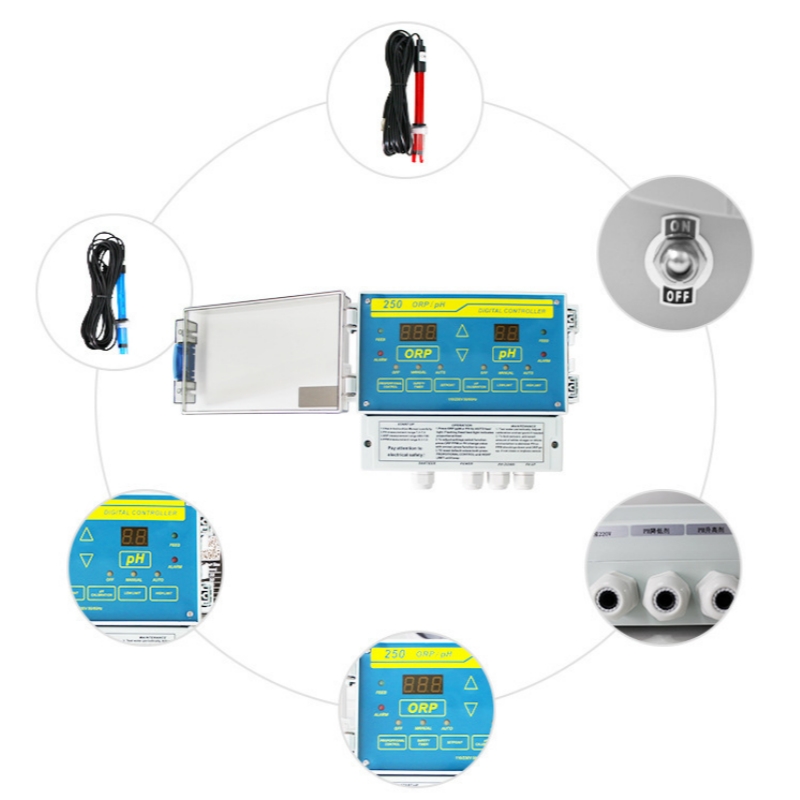
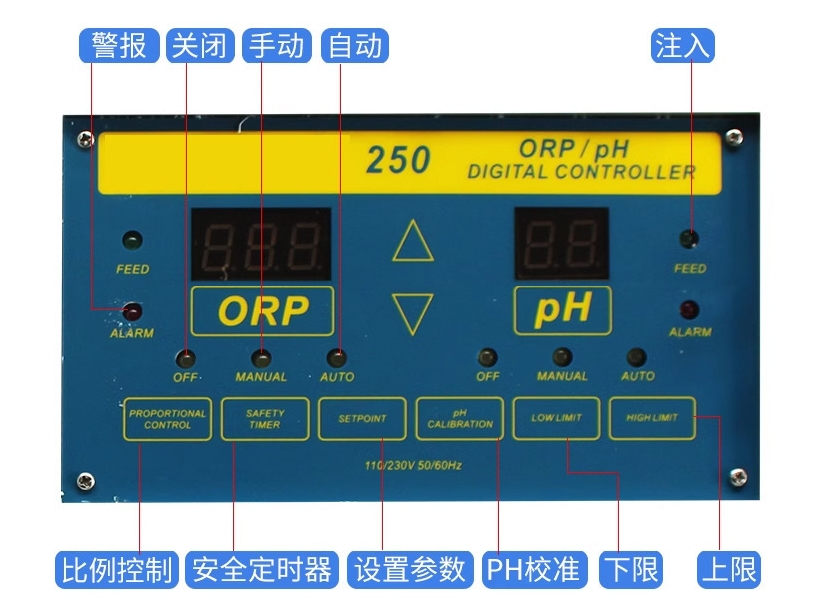
A water monitor is an instrument designed to measure various water quality parameters, including:
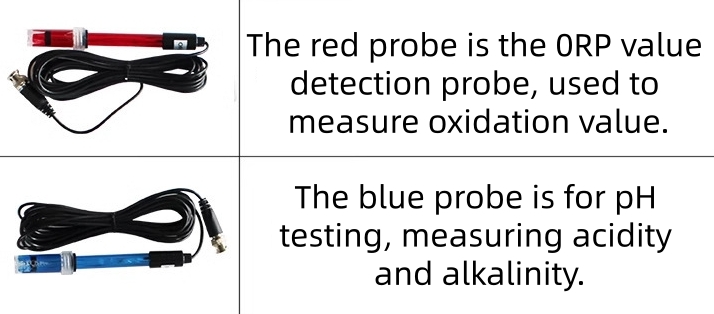
pH levels: Measures the acidity or alkalinity of water.
Temperature: Ensures that water is within a specific temperature range.
Salinity/Conductivity: Monitors the ion concentration in water.
Dissolved Oxygen (DO): Important for aquatic life and system health.
Turbidity: Measures the clarity of the water, indicating suspended solids.
Redox Potential (ORP): Indicates the water's ability to break down contaminants.
Water monitors are commonly used in systems where maintaining specific water conditions is critical, such as in aquariums, agricultural applications (like hydroponics), and environmental monitoring.
Dosing Pump
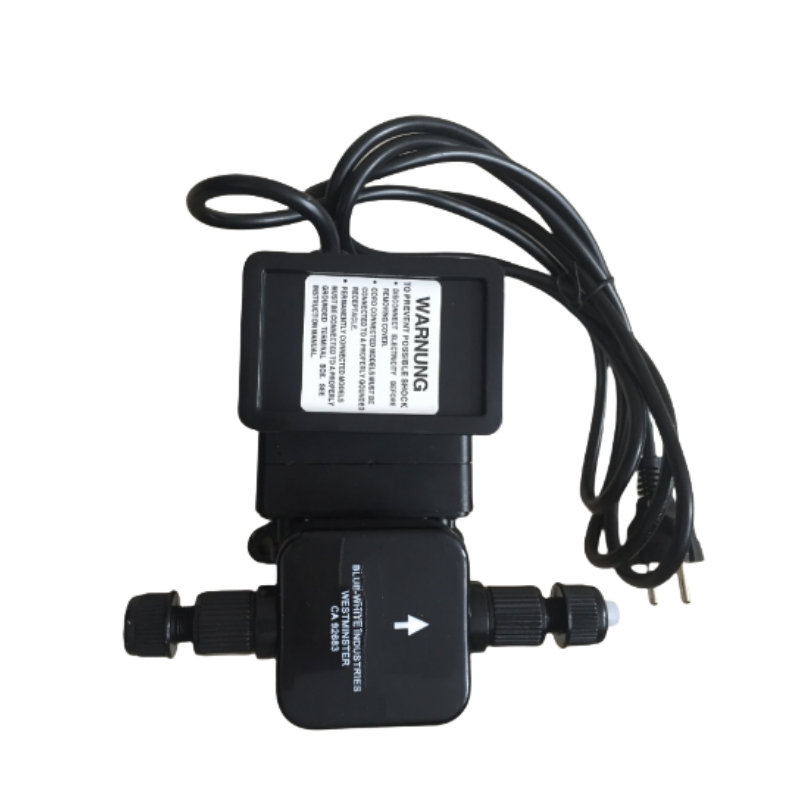
A dosing pump is a device used to inject a precise amount of liquid (such as chemicals, fertilizers, or additives) into a system. These pumps are widely used for:
Chemical dosing: In aquariums, for example, dosing pumps add water treatments or supplements (like calcium or alkalinity solutions).
Fertilizer application: In hydroponics and agriculture, they dispense fertilizers or nutrients into irrigation systems.
Pool maintenance: Dosing pumps add chlorine or other chemicals to maintain water quality in pools and spas.
Why They Are Essential
The water monitor and dosing pump provide several key advantages, particularly in systems where precision and consistency are critical.
Advantages of a Water Monitor:
Real-time Monitoring: Provides continuous, real-time data on water quality parameters like pH, temperature, salinity, and dissolved oxygen, which helps to catch any issues early before they escalate.
Precision & Consistency: By constantly monitoring water parameters, it ensures that the system maintains the optimal conditions for aquatic life, plants, or industrial processes. This is particularly important in environments where small changes can have a big impact.
Automation Integration:Water monitors can be integrated with automated systems (such as dosing pumps or filtration systems) to automatically adjust conditions when parameters fall outside a specified range.
Data Logging: Most modern water monitors record historical data, allowing users to track trends and identify long-term patterns, which is valuable for troubleshooting and improving system performance over time.
Reduced Human Error: Automated, continuous monitoring reduces the need for manual testing, which can be time-consuming and prone to human error.
Remote Monitoring: Many water monitors now offer wireless connectivity, allowing you to monitor the water quality remotely via a smartphone or computer.
Prevention of System Failures: By detecting irregularities like fluctuations in pH or oxygen levels, water monitors can alert you to potential problems (e.g., pump failure or contamination) before they cause system-wide issues.
Advantages of a Dosing Pump:
Precise Dosing: Dosing pumps are designed to deliver exact quantities of chemicals, fertilizers, or other additives to a system. This precision ensures that water quality is consistently maintained without over or under-dosing.
Automation: Dosing pumps can be set to operate on a schedule or be triggered by a sensor (e.g., a water monitor). This reduces manual labor and ensures that the system always gets the correct amount of treatment at the right time.
Consistency in Water Quality: For applications like aquariums or hydroponic systems, maintaining stable water quality is crucial for the health of the organisms or plants. Dosing pumps help maintain consistent levels of nutrients, pH adjusters, or other treatments.
Time and Cost Efficiency: By automating the addition of chemicals or nutrients, dosing pumps reduce the need for constant human intervention, saving time and labor costs. They also reduce waste since only the necessary amount is added.
Versatility: Dosing pumps can be used for a wide range of applications, from adding fertilizers in hydroponics to injecting chemicals in industrial processes or pools.
Reduced Risk of Overdose: When dosing manually, it's easy to add too much or too little of a chemical. A dosing pump eliminates this risk by controlling the amount dispensed, helping to avoid damage to plants, animals, or equipment.
Energy-Efficient: Many dosing pumps are energy-efficient, only working when needed, and require minimal energy to operate.
Combined Benefits of Both Water Monitors and Dosing Pumps:
Closed-Loop Automation: When integrated, water monitors can trigger dosing pumps to make automatic adjustments when water quality deviates from the desired parameters. This creates a closed-loop system that is fully automated and self-regulating.
Enhanced Control & Optimization: The combination provides a high level of control over both water quality and additives, ensuring the system operates at optimal conditions without manual intervention.
Prevention of System Shock: By precisely monitoring and adjusting water parameters, it helps prevent sudden changes in the system that could stress plants, animals, or equipment.
Improved Efficiency: The system works together to maintain water quality with minimal resources (e.g., water, chemicals, and energy), making it more efficient overall.
How They Work Together
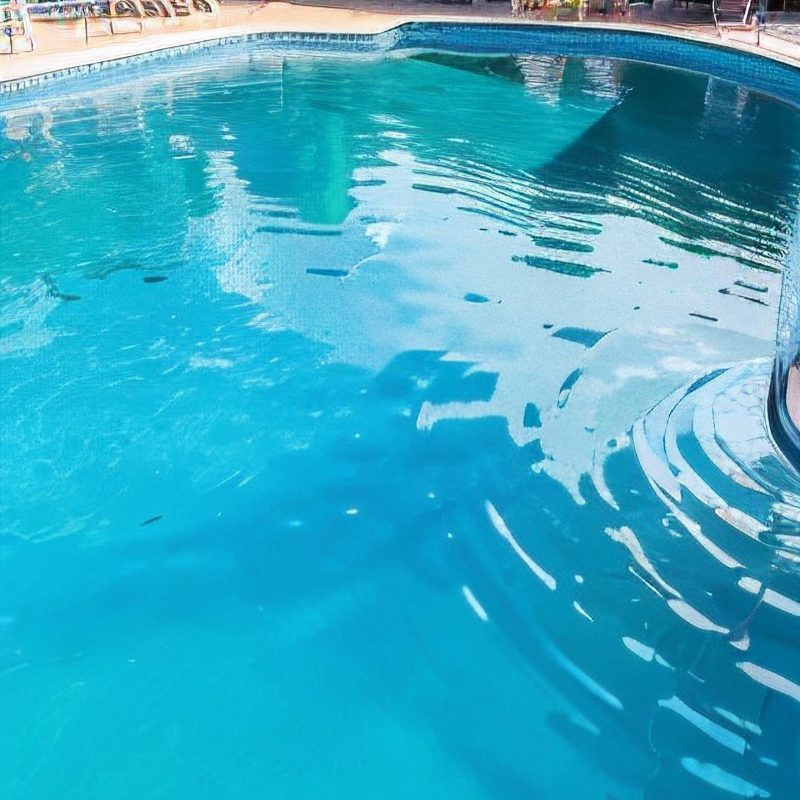
When used together in a system, a water monitor can track water parameters and alert the system to when conditions are out of range. If necessary, the dosing pump can then be triggered to add corrective chemicals or nutrients to bring the water back to the desired level. This setup ensures efficient and precise water management. A water monitor and a dosing pump can implement automatic monitoring water’s situation, which is free for time.
Categories
Contact Us
Contact: Daremay Swimming Pool Equipment Co.,Ltd.
Phone: +8613982024270
Tel: +8613982024270
E-mail: jocelyn@daremay.com
Add: No. 13 Henger Road, Xia Xi Industrialzone, Heshun Fengchong Village Lishui Town, Foshan City